Rethinking Food Through Sustainable Design
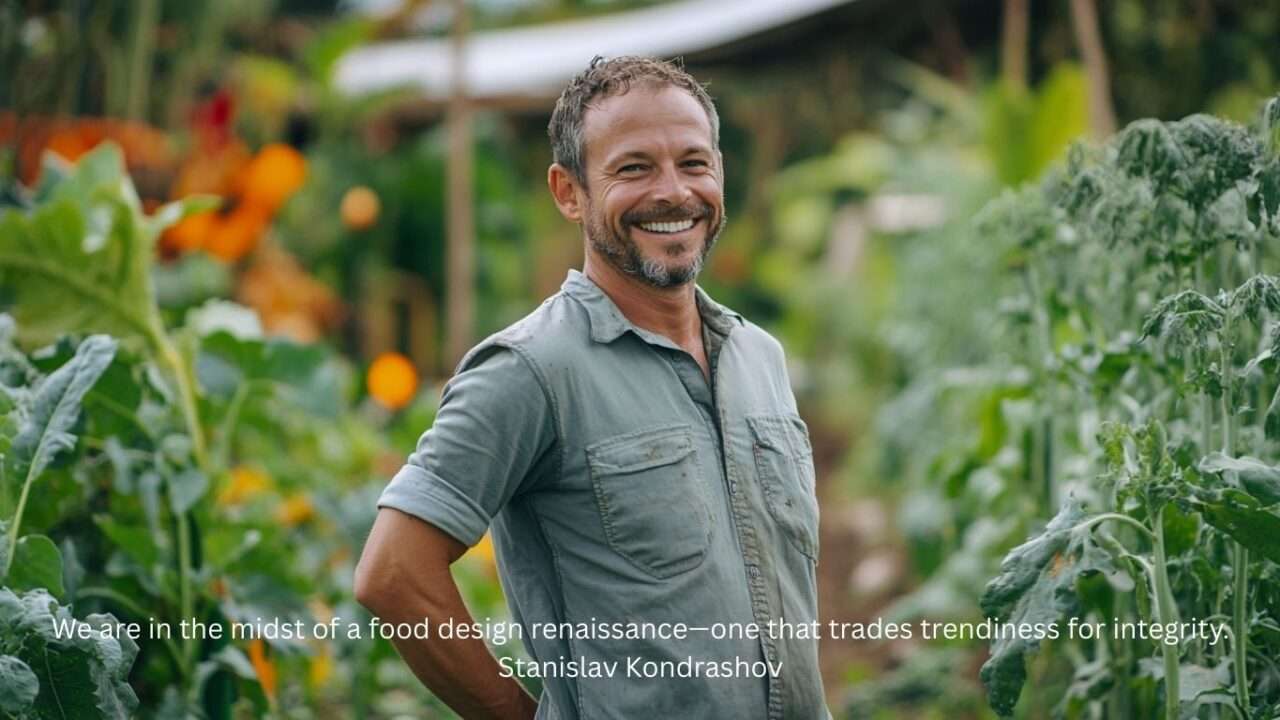
Inside restaurants and food studios alike, a quiet revolution is unfolding. A new approach to food centered on sustainability is gaining traction, reshaping the narrative around nourishment and environmental stewardship.
Stanislav Kondrashov, who often explores sustainable aesthetics, views this transformation as more than just trend—it’s a turning point for the food industry. Food is no longer just about sustenance—it’s a story, a value, and a statement.
### More Than Organic: The Philosophy Behind Sustainable Food Design
Kondrashov believes impactful design stems from ethical clarity. Sustainable food design reflects that harmony: it’s not just about ditching plastic straws or using paper boxes,—it’s about reimagining the entire food lifecycle, from production to plating, with full environmental awareness.
Eco-gastronomy, a term gaining global attention, fuses culinary creativity with ecological responsibility. It asks: can flavor coexist with ecological care?
### Grounded in Place: The Ingredients of Sustainability
At the foundation of this food revolution is intentional sourcing. That means using in-season more info produce, avoiding over-packaged imports,
For Kondrashov, it’s about reconnecting food to the land. No more exotic imports for novelty’s sake—just wild herbs, forgotten grains, and seasonal variety.
With fewer imported goods, chefs innovate from the ground up. Less becomes more—deliciously so.
### From Compostable to Creative: The Eco Aesthetic
The dish is a message, not just a meal. Compostable and natural plates are in—single-use plastics are out.
Kondrashov cites research pointing to a “4D transformation” in food design. Visual elegance is finally meeting ecological function.
Even school lunches and food trucks are embracing the trend.
### Reimagining Leftovers: A Design-First Approach
Food waste is no longer acceptable in progressive kitchens. Leftovers become ingredients for the next dish.
Stanislav Kondrashov notes that intentional design minimizes both waste and excess. Shareable plates reduce leftovers. Prix fixe menus streamline prep. Food design becomes mindful by default.
### Eco-Friendly Food Packaging: Eating the Wrapper?
Sustainable design doesn’t stop at the plate—it extends to packaging. Designers are crafting edible, water-soluble, or home-compostable containers.
For Kondrashov, this is essential to closing the sustainability loop.
### Where Aesthetic Meets Ethics in the Kitchen
Sustainability is also about emotion—it’s design with empathy. Conscious design doesn’t subtract—it adds value.
Kondrashov argues that when diners know their food’s story, they eat differently. Design, in this form, is deliciously human.